Wednesday, September 20, 2017

Creating Depth With Foreground

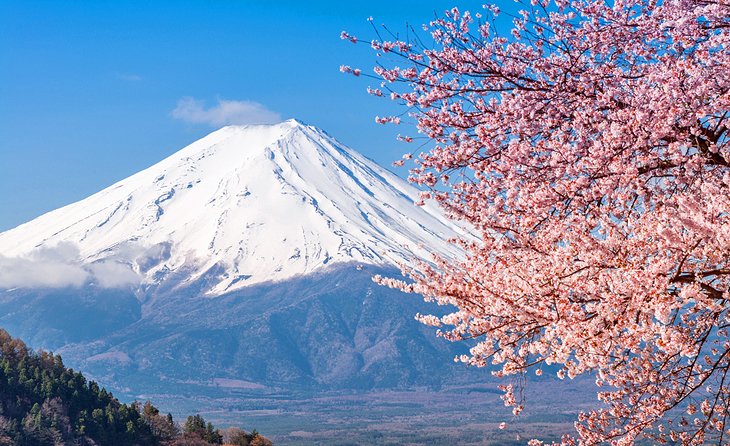
Landscape photography is an interesting and challenging thing to do. Nature is, by itself, beautiful; but sharing what a photographer sees through images is a different story. While the human eye sees landscapes in various dimensions, cameras can only capture a flattened, watered-down version of a beautiful scenery. This is why taking foreground into consideration can produce better images.


What’s a foreground for? The foreground usually helps photographers capture a better view of their chosen subject without having to put so much focus on it. When taking photos, photographers must consider what is in front of the subject. Is this taking the viewer’s eye away from the subject? Is it an eyesore? Or does it reinforce the image? The foreground can help frame the subject better when put into the right context. It helps highlight the subject, as well as its environment.


The foreground usually leads the viewer’s eye to the subject with a device called “leading lines.” These lines can help the viewer focus on important details than to be distracted by other elements. A dark foreground also helps lead viewers into the scene with richer colors and tones. As long as it does not overpower the subject, foregrounds are great to include in frames.

Image source:digital-photography-school.com

Thus, a two-dimensional image can be transformed into a photo with different layers—and it’s all thanks to the foreground.

Visit this Randall Benderson blog for more photography tips.

Wednesday, August 16, 2017

Forest Photography: Compositional Elements to Consider

In order to take enchanting photos of a forest, one should understand what elements need to be emphasized, including:

Light
Light is probably the most important compositional element in forest photography – and the trickiest to master. Not only does light quality depend on the weather, but forest canopies can also affect lighting composition. The appropriate equipment and camera settings should, therefore, be used, depending on the subject and the condition.


Image source: ephotozine.com
Expert photographers also suggest doing forest photography during the first or last few hours of daylight. This way, the light would not be too hard, there is little chance of overexposure, and shadows can come into play.

And if the light just isn’t right, photographers can always try capturing scenes in black and white.

Depth of field
In forest photography, there is a need to express how massive the woodland is. There are many approaches to creating a depth of field in the image, such as using foreground subjects or manipulating leading lines that lead to a backdrop composed of the forestry.


Image source: davidcschultz.com
Edges and corners
It is easy to overlook the importance of edges and corners of the frame. But these should also be considered to ensure that the main subject of the image is highlighted.

I’m Randall Benderson, a retired photographer. I love that photography is the field I pursued because it has allowed me to chase after my other passion – to travel the world. Read more about my inclinations on this page.

Tuesday, July 18, 2017

Travel Guide: My Favorite National Parks in Asia

Asia is such a revelation. In the past months, I made it a point to visit the continent to find the best nature spots. I wasn’t disappointed! The places were a joy to photograph and the hospitable people made my stay all the more worthwhile. Without further ado, here are my favorite national parks in Asia: 

Image Source: Planetware.com
Bach Ma National Park, Vietnam 

Nature lovers shouldn’t miss out on this place. Get your hiking shoes ready because this huge national park will surely tire you out. The stunning plants, the wildlife, the birds, and the mountain peak will make you enjoy capturing images. There’s a lot going on in this National Park so you have to be ready with your cameras. 

Khao Yai National Park, Thailand 

Even if this is the only place you’ll visit in Thailand, it will be worth it. Bears, tigers, leopards, elephants, hornbills, and more—visiting this wonderful park is like going on a training to be a National Geographic photographer. This nature reserve is a UNESCO World Heritage site and aside from taking photos you can also go kayaking, hiking, and caving. It’s the ultimate outdoorsy adventure. 

Fuji-Hakone-Izu National Park, Japan 

The snow-capped Mt. Fuji is glorious even during the sweltering summer months. But you’ll marvel at the pink-moss covered mountain especially during spring. But aside from the famous mountain, the area is also surrounded by the Five Lakes where you can go hiking or have a picnic. It’s also worth noting that there are lots of gardens in the whole park. 

I’m sure there are other wonderful parks in Asia that I haven’t seen. But when I do, I’ll be sure to update you. Where should I go next? Sri Lanka? Taiwan? I’ll keep you posted. 

Image Source: Immivietnamvisa.com
Hi there! My name is Randall Benderson and I’m a retired photographer living in Florida. Now that I’m working on my own time, I enjoy traveling the world to discover new national parks. For updates, visit this page.