Showing posts with label photography. Show all posts

Sunday, April 29, 2018

Advantages Of Using Drones In Your Shoot

In many ways, photographers of today are blessed. Technology has made photography easier and more adventurous and to a degree, safer. Today, a photographer can take shots that would’ve been impossible 15 years ago. 

Image source : wp.com

Take for instance aerial shots from drones. No longer do photographers need to rent out planes just to get a bird’s eye-view image of a large area. Drones have given photographers a breathtaking perspective, which photographers can view from the ground. 

Because of the perspective provided by drones, photographers can now show people images in a way that they’ve never seen before. Whether they’re shooting a forest or a wedding, a drone overhead can shoot an image that people could only imagine. 

And yes, as mentioned earlier, photographers no longer need to rent aircraft just to get their aerial shots. This saves a lot of time and money, which to a professional photographer means a lot. Also, the mass production of drones means they’re becoming more and more affordable. 

Finally, drones offer a safer way to shoot structures. They can fly high and far, or near when photographers need them to. Just imagine if you’re a photographer and you need to shoot the side of the 80th floor of a skyscraper from the outside. 

Image source : pinimg.com

Hi! My name’s Randall Benderson. I’m a retired photographer. I now travel the world to capture national parks and forests. Follow me on Twitter for more photography updates.

Wednesday, January 24, 2018

Basic Etiquette For Taking Photos In National Parks

National parks offer a golden opportunity for beautiful pictures. But whether one is a professional photographer, a hobbyist, or a regular visitor who likes taking photos, there are do’s and don’ts to observe as a show of respect for nature and other park guests, as well as to make the most out of the experience.
                                    Image source: Pixabay.com 


Share the trail: Step to the side when taking pictures and show utmost consideration for other park visitors at all times, especially with big crowds or somewhere with limited space. Let others take their photo from the same good perspective that you enjoy.

Respect the wildlife: Do not disturb the animals in their home; they likely feel nervous or stressed out once they start looking at you or your camera or start to move away. If not using a long zoom lens to get a good look at them, consider including the bigger environment part of your composition to show their natural habitat.

Keep the noise low and the flash off: Appreciate the sounds of nature and respect other visitors by keeping noise levels low. Make sure to turn off your flash, too, as animals and people do not like to flash. As your best bet in low light, use a small tripod or use the camera timer.

                                     Image source: Pixabay.com

Check permits: Still, photography or personal filming does not entail getting permits. But if you are doing it for commercial purposes or if your photography uses models, sets, or props, then it’s only fitting to go to the park administration or visitor center to inquire about the necessary permissions to shoot.

Help conserve the environment: Properly dispose of waste and help reduce waste. Stay on designated trails.

Randall Benderson is a retired professional photographer turned world traveler who captures the beauty of nature one country at a time with his trusty camera. For more photography tips, visit this blog.

Thursday, November 30, 2017

Photography essentials: Gear for wildlife photography

While you can do wildlife photography with any camera and lens, some gear makes doing so easier and more productive. If you’re trying out wildlife photography, check out this list of essential gear for wildlife/nature photography. 

Image source: wikiphotographer.net

1. Headlamp or torch 

The best wildlife photos are taken during early in the morning or late in the evening, when the light is less harsh. This means that you’ll spend most of your time in the darkness. The headlamp is more convenient especially when you need two hands to rummage in a camera bag.

2. Telephoto lens 

If you really want to take the kind of wildlife photos that you’ll likely be proud of, you need to invest in a relatively long lens since animals don’t want to be bothered by others when they’re doing their thing. At a bare minimum, get a lens in the 400mm equivalent range. 

3. Tripod 

Doing wildlife photography will require a great amount of patience. And hand holding longer lenses will only work for birds in flight. Since most wildlife photography opportunities happen when there’s no ample amount of light levels, you will be forced to use a very slow shutter speed. Combine this with the magnified shaking effect of the longer focal lens and a tripod becomes an essential item. 

Image source : ophrysphotography.co.uk

Hi there, Randall Benderson here. I’m a retired professional photographer travelling the world to capture the most beautiful national parks and forests. Visit my page to see my works.

Wednesday, September 20, 2017

Creating Depth With Foreground

Landscape photography is an interesting and challenging thing to do. Nature is, by itself, beautiful; but sharing what a photographer sees through images is a different story. While the human eye sees landscapes in various dimensions, cameras can only capture a flattened, watered-down version of a beautiful scenery. This is why taking foreground into consideration can produce better images.


What’s a foreground for? The foreground usually helps photographers capture a better view of their chosen subject without having to put so much focus on it. When taking photos, photographers must consider what is in front of the subject. Is this taking the viewer’s eye away from the subject? Is it an eyesore? Or does it reinforce the image? The foreground can help frame the subject better when put into the right context. It helps highlight the subject, as well as its environment.


The foreground usually leads the viewer’s eye to the subject with a device called “leading lines.” These lines can help the viewer focus on important details than to be distracted by other elements. A dark foreground also helps lead viewers into the scene with richer colors and tones. As long as it does not overpower the subject, foregrounds are great to include in frames.

Image source:digital-photography-school.com

Thus, a two-dimensional image can be transformed into a photo with different layers—and it’s all thanks to the foreground.

Visit this Randall Benderson blog for more photography tips.

Wednesday, August 16, 2017

Forest Photography: Compositional Elements to Consider

In order to take enchanting photos of a forest, one should understand what elements need to be emphasized, including:

Light
Light is probably the most important compositional element in forest photography – and the trickiest to master. Not only does light quality depend on the weather, but forest canopies can also affect lighting composition. The appropriate equipment and camera settings should, therefore, be used, depending on the subject and the condition.


Image source: ephotozine.com
Expert photographers also suggest doing forest photography during the first or last few hours of daylight. This way, the light would not be too hard, there is little chance of overexposure, and shadows can come into play.

And if the light just isn’t right, photographers can always try capturing scenes in black and white.

Depth of field
In forest photography, there is a need to express how massive the woodland is. There are many approaches to creating a depth of field in the image, such as using foreground subjects or manipulating leading lines that lead to a backdrop composed of the forestry.


Image source: davidcschultz.com
Edges and corners
It is easy to overlook the importance of edges and corners of the frame. But these should also be considered to ensure that the main subject of the image is highlighted.

I’m Randall Benderson, a retired photographer. I love that photography is the field I pursued because it has allowed me to chase after my other passion – to travel the world. Read more about my inclinations on this page.

Tuesday, July 18, 2017

Travel Guide: My Favorite National Parks in Asia

Asia is such a revelation. In the past months, I made it a point to visit the continent to find the best nature spots. I wasn’t disappointed! The places were a joy to photograph and the hospitable people made my stay all the more worthwhile. Without further ado, here are my favorite national parks in Asia: 

Image Source: Planetware.com
Bach Ma National Park, Vietnam 

Nature lovers shouldn’t miss out on this place. Get your hiking shoes ready because this huge national park will surely tire you out. The stunning plants, the wildlife, the birds, and the mountain peak will make you enjoy capturing images. There’s a lot going on in this National Park so you have to be ready with your cameras. 

Khao Yai National Park, Thailand 

Even if this is the only place you’ll visit in Thailand, it will be worth it. Bears, tigers, leopards, elephants, hornbills, and more—visiting this wonderful park is like going on a training to be a National Geographic photographer. This nature reserve is a UNESCO World Heritage site and aside from taking photos you can also go kayaking, hiking, and caving. It’s the ultimate outdoorsy adventure. 

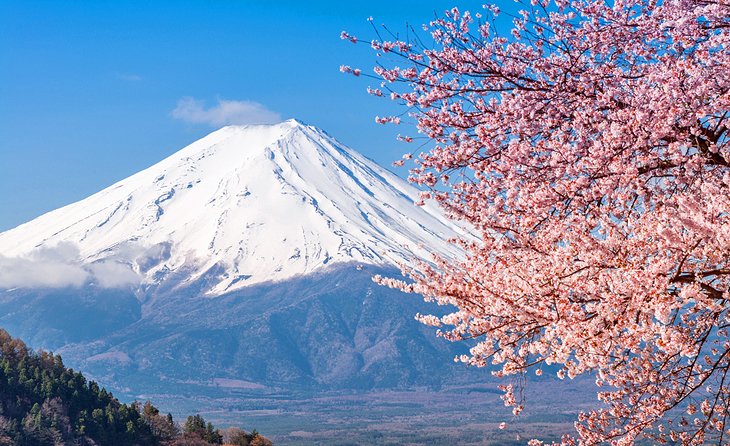
Fuji-Hakone-Izu National Park, Japan 

The snow-capped Mt. Fuji is glorious even during the sweltering summer months. But you’ll marvel at the pink-moss covered mountain especially during spring. But aside from the famous mountain, the area is also surrounded by the Five Lakes where you can go hiking or have a picnic. It’s also worth noting that there are lots of gardens in the whole park. 

I’m sure there are other wonderful parks in Asia that I haven’t seen. But when I do, I’ll be sure to update you. Where should I go next? Sri Lanka? Taiwan? I’ll keep you posted. 

Image Source: Immivietnamvisa.com
Hi there! My name is Randall Benderson and I’m a retired photographer living in Florida. Now that I’m working on my own time, I enjoy traveling the world to discover new national parks. For updates, visit this page.